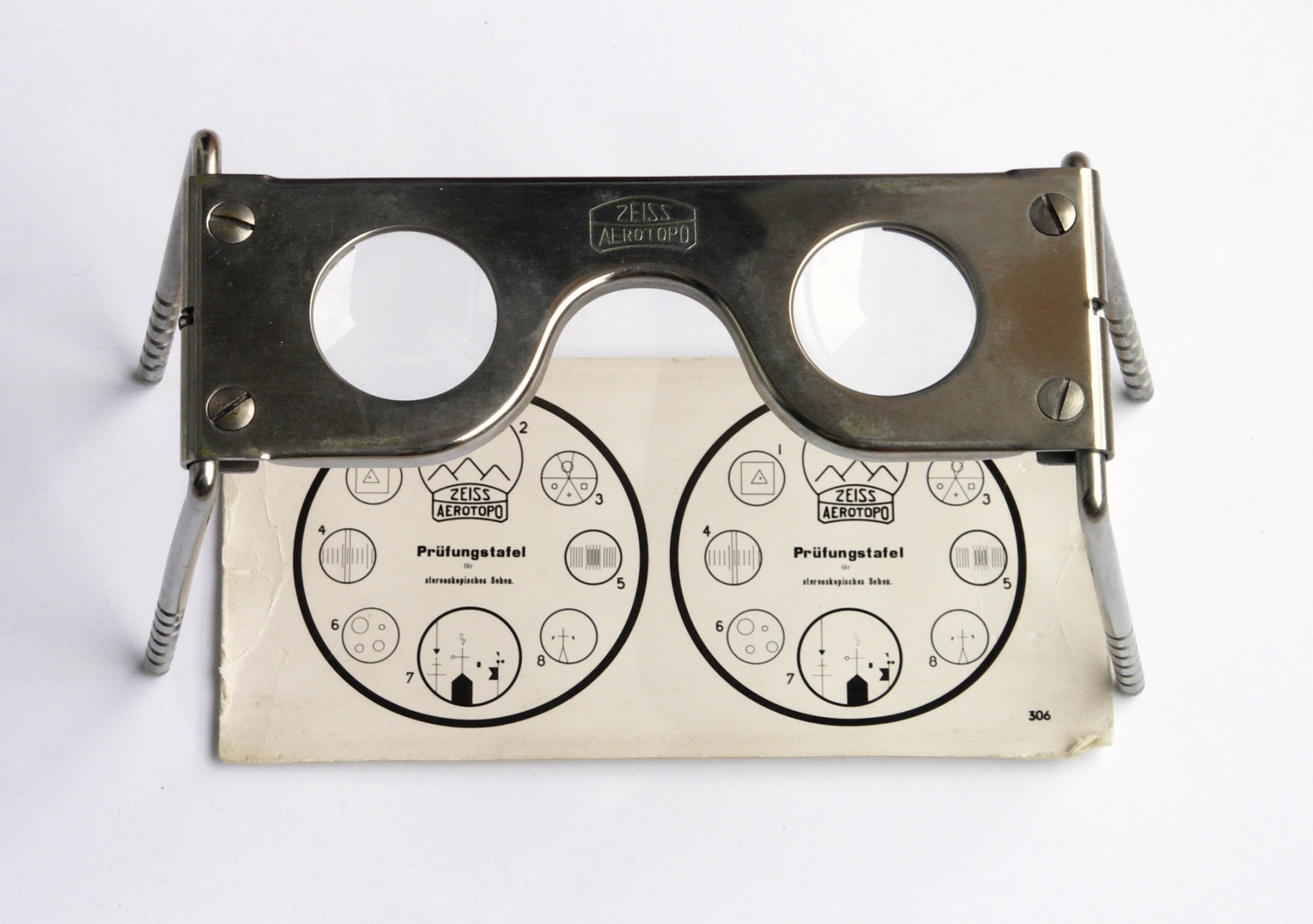
We experience stereoscopic vision because our two eyes see slightly different versions of the same scene. We hear stereophonic sound because our ears are also offset. We experience depth—visually and sonically—because of differing perspectives.
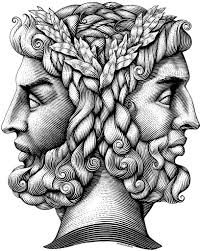
In my work and in my own life, I often find myself standing at the edge between two worlds.
One is medicine: evidence, family histories, DSM codes, treatment plans. The other is meaning: dreams, archetypes, and intuition. If I listen with only one ear, or see with only one eye, something essential is lost.
The Right and Left of Knowing
Our right eye and ear are associated with the Pingala channel—solar, masculine, logical, outward-facing.
The left eye and ear connect to the Ida channel—lunar, feminine, intuitive, inward-seeing. When both are open, we experience depth perception. When both ways of knowing are honored, we experience depth of meaning.
The Right Side: Solar, Scientific, Structural
While studying psychodynamic psychotherapy, I created a genogram of my maternal lineage. What emerged was a striking pattern—a clinical echo across generations: My maternal grandmother lost her mother as a child. She was also a twin; her twin died at birth. My mother lost her father at a young age. She, too, was a surviving twin.
My own father died suddenly when I was a girl. It’s unknown whether I was a twin, but my birth was traumatic. Three generations of women, each marked by premature loss—and births shadowed by tragedy. This is intergenerational trauma, and science offers language for it: attachment disruption, epigenetic inheritance, grief conditioning.
From a psychiatric perspective, these are patterns with fields of study to explore them: family systems theory, attachment research, neurobiology, and trauma-informed care. Science gives us externally validated structure: evidence, mechanism, diagnosis, clarity. It helps us know: how it works, and what can be done. But the right eye and ear can only see or hear so much on their own.
The Left Side: Lunar, Intuitive, Archetypal
From the lunar, symbolic side, I perceive the same story differently—not just as trauma, but as a soul pattern.
In my natal chart, Pluto (planet of depth, death, and rebirth) sits conjunct the Moon (planet of mother, memory, and emotional body) in Virgo, the sign of healing and service. This union takes place in my 12th house—the house of the unconscious, collective memory, and karma.
Opposite that, in my 6th house of healing and daily service, is Chiron, the wounded healer, holding hands with Jupiter in Pisces, the sign of the mystical and unseen. In astrological terms, this suggests a soul story: To transmute inherited wounds into compassionate service.
To make meaning from the depths. To turn pain into healing—not only for myself, but for those I serve. The symbolic side gives us internally meaningful resonance: archetype, intuition, story, purpose. It helps us feel: why it matters and where healing might begin.
This doesn’t replace the scientific view. It complements it. Neither lens is wrong. They simply offer different angles. And from that, depth arises.
Integration: The Path of Precision and Paradox
The Temperance card in the Tarot shows a radiant angel with one foot on land and one in water, pouring liquid between two vessels. She is often mistaken as a symbol of moderation—but this is no lukewarm blending. Temperance is alchemy.
In traditional sword-making, temperance refers to the process of strengthening a blade by alternating it between fire and cold water—intense heat, then sudden cooling. This rhythm of extremes doesn’t weaken the sword; it tempers it. Refines it. Makes it resilient.
In this same way, I don’t seek to dilute science with symbolism, or soften intuition with logic. I strive to temper them—to apply the right amount of each, in the right moment, with intentional care. Sometimes you need precise evidence. Sometimes you need dream logic. And sometimes you need just a pinch of one to unlock the other.
Temperance reminds me that transformation doesn’t come from choosing sides—it comes from knowing how to hold them both. It’s the sacred act of mixing medicine and mystery, heat and stillness, structure and soul—until something stronger emerges.
This is why I practice the way I do.
I am always mixing:
Science and symbol.
Psychiatry and soul.
Data and dreams.
One foot in clinical psychiatry, one in esoteric insight.
One eye tracking genetic inheritance, the other seeing soul signatures.
One ear listening for symptom patterns, the other attuned to myth and metaphor.
The result?
Depth of vision, surround sound, holding paradox–a way of healing that honors both medicine and mystery.
And in that space, something whole can finally emerge.